Case Study
Pieman's
Pieman’s Pie Customer Engagement Campaign 2026
How South Africa’s biggest pie brand stopped broadcasting and started owning its audience
The Context
PIEMAN’S is one of South Africa’s most recognised pie brands, with products available across major forecourt retailers nationwide. The brand had strong physical distribution and genuine consumer affection, but very little direct relationship with the people buying its pies.
Marketing activity generated awareness through social media, retail promotions, and advertising, but it created no ongoing consumer connection, no owned audience, and limited visibility into customer behaviour. For a brand looking to stay relevant with a younger audience that had grown up associating PIEMAN’S with previous generations, that gap was becoming increasingly important.
The Challenge
PIEMAN’S needed to do three things simultaneously: modernise brand perception with a younger demographic, build a direct consumer relationship from the ground up, and drive measurable engagement linked to forecourt retail locations ; all without a loyalty programme, CRM, or existing first-party data ecosystem.
The deeper challenge was strategic. PIEMAN’S products were highly visible in-store, but the brand itself was not consistently present in the digital spaces where younger consumers spend their attention. Awareness existed. Relevance and relationship needed to be built.
The Approach
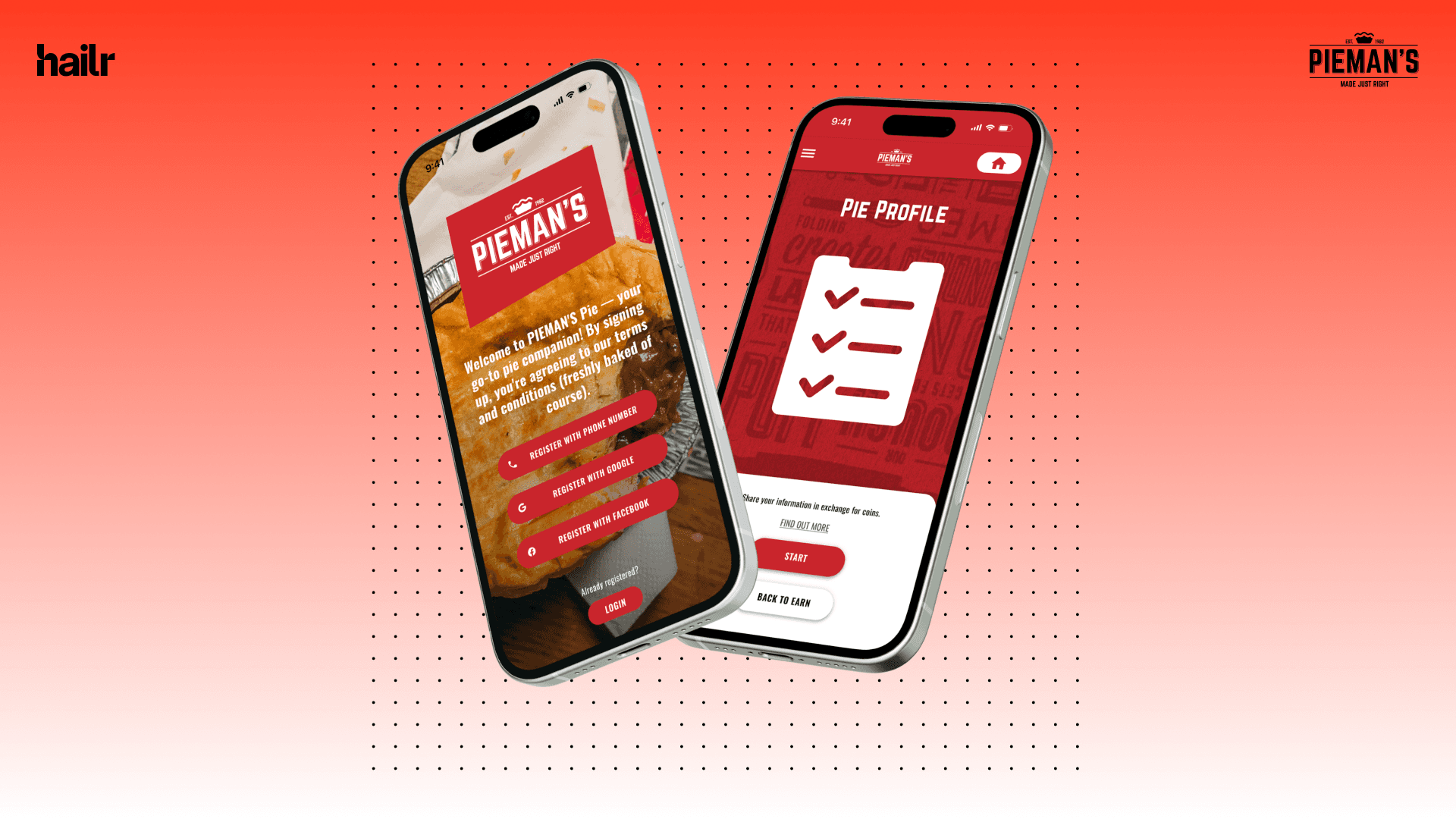
Hailr developed a persistent digital engagement platform for PIEMAN’S ; not a once-off campaign, but an evolving community ecosystem designed to grow over time. The decision to use Hailr Pro instead of a short-term activation was intentional: PIEMAN’S did not just need a campaign. They needed long-term engagement infrastructure.
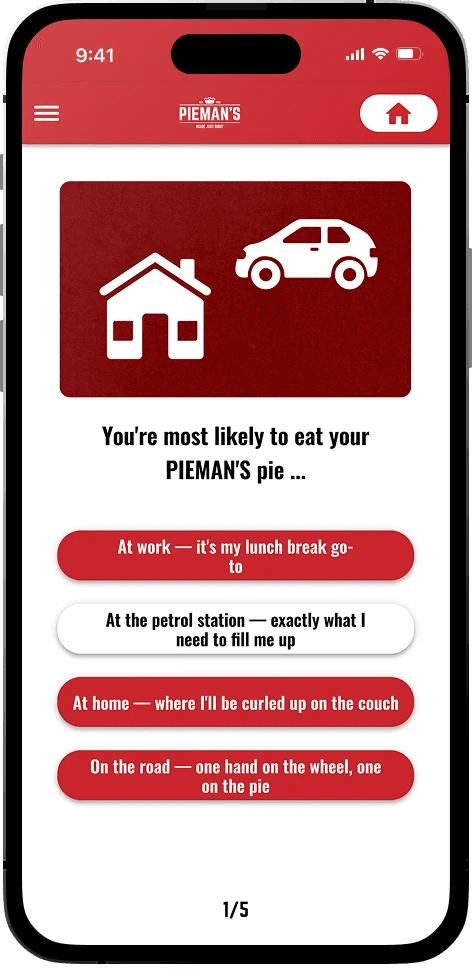
The platform combined gamified mechanics, branded mini-games, surveys, quizzes, and geo check-ins into one connected experience. Each mechanic played a strategic role. Games encouraged repeat interaction and deeper engagement. Surveys and quizzes enabled the collection of valuable first-party consumer insights directly from users. Geo check-ins created a connection between digital participation and physical forecourt visits, giving the brand visibility into real-world engagement behaviour.
The first campaign phase was amplified through a partnership tied to the launch of the movie Anaconda. This collaboration helped expand reach beyond PIEMAN’S existing audience and positioned the brand within a broader cultural moment designed to resonate with younger consumers.
The platform was intentionally built to evolve. Each phase introduced new mechanics and engagement layers, with later phases including instant reward experiences and student-focused gameplay elements designed specifically for Gen Z audiences. What began as a community-building initiative evolved into a scalable, repeatable engagement model.
The Results
Across multiple campaign phases, the platform delivered:
Thousands of opted-in users who created direct relationships with the brand where none had previously existed
High engagement and completion rates, demonstrating strong audience participation
Sustained session durations and repeat visits in a category typically associated with low digital engagement
Ongoing competition participation and return engagement across campaign phases
A growing first-party consumer insight dataset generated directly through surveys, quizzes, and form submissions
Direct links between digital participation and physical forecourt engagement through geo check-in functionality
Conclusion
PIEMAN’S entered this initiative with limited direct consumer data and a brand perception that leaned toward older audiences. Through multiple evolving campaign phases, the brand built an opted-in digital community, established a valuable first-party insight ecosystem, and created a scalable engagement model designed for long-term growth.
This is what it looks like when a brand stops broadcasting and starts owning its audience.
Ready to create your own success story?
Get started
FAQs
Questions?
We have the answers
How long does it take to create my web-based app?
Do I design the look of my Hailr app?
Where is my app hosted, and is there a size limit to my campaign?
Do I need any app design experience to use Hailr?
Will I see a preview of my app before going to market?
Who owns the data collected during my campaign?
Get started